
- Bear Car Care
Your car’s steering system is an unsung hero that makes your daily commute a breeze. A functional steering wheel ensures you can navigate your vehicle with ease and precision. However, when your steering wheel becomes hard to use, it can turn your pleasant drive into a frustrating — and even dangerous — ordeal.
In this blog post, Bear Car Care will discuss the common causes of a hard-to-turn steering wheel and provide you with immediate steps to take to address the issue. Is your steering wheel harder to turn? Keep reading to learn more!
Common Causes of a Hard-To-Turn Steering Wheel
A stubborn steering wheel can stem from an array of factors, such as the following.
1. Low Power Steering Fluid
Power steering fluid is the hydraulic fluid that transmits force in the power steering system, making it easier to turn the steering wheel. When the fluid level drops too low, it reduces the system’s ability to assist you in steering. This issue can occur due to leaks or simply over time as the fluid gradually breaks down.
The signs of low fluid and potential leaks include:
- Difficulty turning the steering wheel, especially at low speeds or when stationary
- A noticeable increase in steering effort
- A whining or groaning noise when you turn the wheel
- Puddles or spots of power steering fluid under your vehicle, often found near the front wheels or under the engine
2. Damaged Power Steering Belt
The power steering belt connects the power steering pump to the engine’s crankshaft. It is responsible for transferring power from the engine to the pump, which pressurizes the power steering fluid. When this belt becomes worn, loose, or breaks, it can impede the pump’s ability to function correctly, resulting in a stiff steering wheel.
Symptoms of a worn-out or broken belt include:
- A squealing noise when turning the steering wheel, especially during low-speed maneuvers
- Increased resistance and difficulty turning the wheel
- Loss of power steering assistance, making the steering feel heavy
3. Faulty Power Steering Pump
The power steering pump is the heart of the power steering system. It generates the hydraulic pressure needed to assist with steering. When the pump malfunctions, it can’t provide the necessary pressure, causing the steering wheel to become harder to turn.
Indications of a malfunctioning pump can include:
- A groaning or whining noise when turning the steering wheel, indicating the pump is struggling
- Increased resistance and effort required to turn the wheel
- Fluid leaks around the pump housing
4. Damaged Steering Rack
The steering rack plays a critical role in the steering system by converting the rotational motion of the steering wheel into the lateral movement of the wheels. Over time, it can suffer from wear and tear, causing stiffness during steering.
Common signs of a damaged steering rack are:
- A clicking or clunking noise when turning the steering wheel, which indicates loose or worn components within the rack
- Uneven tire wear, particularly on the front tires
- A sensation of “play” or looseness in the steering wheel
Immediate Steps To Take
When you encounter a hard-to-turn steering wheel while driving, it can be unsettling and potentially dangerous. Taking immediate action is crucial to ensure your safety and prevent further damage to your vehicle.
Safety First
Your first and most critical priority is safety. A vehicle with steering problems can be difficult to control, so take these steps to ensure safety:
- Stay Calm: Keep a cool head and stay focused on the road. Slow down gradually and avoid abrupt maneuvers.
- Signal Your Intentions: Use your turn signals to indicate lane changes or turns well in advance, so other drivers can anticipate your movements.
- Pull Over Safely: If you feel that you can’t safely control the vehicle due to steering difficulties, find a safe location to pull over. Look for a parking lot, the side of the road, or a wide shoulder.
- Avoid Forceful Turning: Refrain from using excessive force on the steering wheel. This can strain the steering components further and potentially cause more damage.
Check for Visible Issues
Once you’ve safely pulled over, you can perform some quick visual checks to identify potential issues.
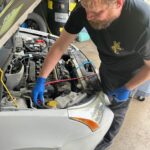
- Inspect Power Steering Fluid: Open the hood and locate the power steering fluid reservoir. Check the fluid level, and if it’s significantly low, it could indicate a leak or a need for a fluid top-up.
- Examine the Power Steering Belt: Look for signs of wear, cracking, or any obvious damage to the power steering belt. If you notice any issues, it’s a strong indicator of a problem with the belt.
- Listen for Unusual Noises: Start the engine and turn the steering wheel while listening for any unusual noises like squealing, groaning, or grinding. These noises can provide clues about the source of the problem.
- Check for Fluid Leaks: Look under your vehicle for any visible signs of power steering fluid leaks. Puddles or spots of fluid can help pinpoint the location of a leak.
Do Not Ignore Minor Signs
It’s important not to dismiss minor signs of steering trouble, even if they temporarily improve. Steering issues rarely resolve themselves, and neglecting them can lead to more significant problems down the road. If you notice any of the following symptoms, consider having your vehicle inspected by a professional.
- Intermittent difficulty turning the steering wheel
- Occasional noise when turning the wheel
- A slight increase in steering effort during specific driving conditions
How Bear Car Care Can Help
Expertise in Steering Repairs
Bear Car Care — serving the greater Cincinnati area — has a solid reputation for its expertise in handling steering system repairs. With years of experience, our team of skilled mechanics knows the ins and outs of steering systems, ensuring your safety on the road.
Comprehensive Diagnostic and Repair Services
Our facility is also equipped with state-of-the-art diagnostic tools, allowing us to pinpoint the exact cause of your steering issues quickly. We use only genuine parts, guaranteeing the quality of our repairs. When you entrust your vehicle to Bear Car Care, you know that it will receive top-notch service and get you back on the road with a smoothly turning steering wheel.
Final Thoughts
A hard-to-turn steering wheel is a problem that should not be taken lightly. Timely intervention is crucial for your safety and the longevity of your vehicle’s steering system.
If you’re experiencing difficulties with your steering, don’t hesitate to seek professional help. Bear Car Care is your trusted partner in resolving steering issues, ensuring that you can enjoy a smooth and effortless driving experience once again. Contact us to schedule an assessment!