
- Bear Car Care
Preventative car maintenance tips can help steer clear of unexpected road incidents. With Ohio being touted as one of the least expensive states for car ownership, there’s more reason than ever to keep our vehicles humming happily. Each story carries lessons about the importance of regular check-ups—lessons that Bear Car Care has learned well so you don’t have to know them the hard way.
Table Of Contents:
- The Significance of Scheduled Oil Changes
- Accelerating Fuel Efficiency with Proper Tire Maintenance
- Essential Fluid Checks for a Healthy Car
- The Lifespan of Your Car’s Battery and How to Extend It
- Thorough Guide to Spark Plugs and Filters Maintenance
- Get to the Bottom of Your Vehicle’s Maintenance Schedule
- Progressive Preventative Car Maintenance Tips
- Keeping Your Vehicle Safe with Brake System Care
- The Utmost Checklist for Complete Auto Care
- Enhancing Comfort and Efficiency with HVAC Maintenance
- Navigating Electrical System Maintenance
- Conclusion
The Significance of Scheduled Oil Changes
Scheduled oil changes are one of the most important preventative car maintenance tips that every car owner should follow. When you change your oil, you remove any dirt, debris, and other contaminants that can damage your engine over time. It is important to change the oil in your car regularly in order to improve its fuel efficiency and save you money in the long run.
Acknowledging Engine Oil’s Role
So what exactly does engine oil do? It lubricates, cools, and cleans all at the same time, and without it, your engine’s moving parts would grind together, overheat, and eventually seize up. Regular oil changes are necessary to keep your engine running smoothly and efficiently over time, as oil breaks down and gets dirty, which hinders its ability to perform effectively.
When to Change Your Oil
Now, I know what you’re thinking: “But how often do I really need to change my oil?” Well, it depends on your car and your driving habits. But a good rule of thumb is every 5,000 to 7,500 miles or every six months, whichever comes first. Of course, it’s always a good idea to check your owner’s manual for specific recommendations, and if you’re not sure, ask your mechanic.
Accelerating Fuel Efficiency with Proper Tire Maintenance
You ever notice how your car seems to guzzle gas faster than a frat boy at a keg party? Well, believe it or not, your tires could be partly to blame. See, when your tires are underinflated or worn down, they create more resistance on the road, and that means your engine has to work harder (and use more fuel) to keep you moving.
The Nitty-Gritty of Tire Rotation
I don’t mean spinning them around like a circus performer. Tire rotation means moving your tires from one position to another as this helps them wear evenly, which can extend their lifespan and improve your fuel economy. Most mechanics recommend rotating your tires every 5,000 to 8,000 miles.
Watch over Tire Pressure
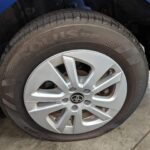
Underinflated tires not only wear out faster, but they also make your car work harder than it needs to. So how do you know if your tires are properly inflated? Easy – just check the pressure with a tire gauge at least once a month, and you can find the recommended pressure in your owner’s manual or on a sticker inside your driver’s side door.
Essential Fluid Checks for a Healthy Car
I’m not talking about topping off the gas tank (although that’s important too). Your car has a bunch of different fluids that keep things running smoothly – from the engine oil to the power steering fluid. And just like with your own body, if any of those fluid levels run low or get dirty, it can cause some serious problems.
Brake Fluid – A Safety Critical Check
This hydraulic fluid makes your brakes work when you press the pedal, and if it gets too low or contaminated, your brakes might not work as well (or at all). Most mechanics recommend checking your brake fluid at least once a year or every 12,000 miles. But if you notice any changes in how your brakes feel (like a spongy pedal or longer stopping distances), get it checked out ASAP.
The Lifespan of Your Car’s Battery and How to Extend It
The average car battery lasts about 3 to 5 years, depending on factors like climate, driving habits, and vehicle maintenance. First off, make sure your battery terminals are clean and corrosion-free because a buildup of gunk can prevent your battery from charging properly. You can clean them with a mixture of baking soda and water.
Another tip is to avoid short trips whenever possible. Starting your car takes a lot of power, and if you’re only driving a mile or two at a time, your battery might not have enough time to recharge fully. #CarBatteryTip Click To Tweet
Thorough Guide to Spark Plugs and Filters Maintenance
Spark Plugs – Igniting Your Engine’s Potential
Spark plugs are like the tiny firestarters of your engine as they create the spark that ignites the fuel and air mixture, which is what makes your car go vroom. ️Over time, though, spark plugs can get worn out or fouled up with carbon deposits, and when that happens, your engine might misfire, lose power, or even stall out. Most mechanics recommend replacing your spark plugs every 30,000 to 100,000 miles, depending on the type of plugs you have.
Filters – Protecting Your Engine and Cabin Air Quality
Automotive filters are conceived to intercept harmful debris, pollutants, and other contaminants from entering your car’s engine and the air you breathe. It is prime to replace these filters frequently to secure optimal performance, improve fuel efficiency, and preserve a healthy cabin environment for both you and your passengers. It’s generally advised by mechanics to replace your air filters every 15,000 to 30,000 miles—more frequently if you’re driving in dusty conditions—to keep everything running smoothly.
Get to the Bottom of Your Vehicle’s Maintenance Schedule
Reading your car’s owner’s manual is about as exciting as watching paint dry. But buried in all that technical jargon is a goldmine of information about how to keep your car running like a dream. And while it might be tempting to skip a few services here and there, trust me – it’s not worth the risk.
Tailoring Maintenance to Your Driving Habits
Your car’s maintenance schedule is based on “normal” driving conditions, but if you drive in extreme conditions or have particular driving habits, you may need to get services done more often. To puzzle out what your car needs, it’s best to talk to your mechanic who can help you create a customized maintenance plan based on your driving habits and your vehicle’s specific needs.
Progressive Preventative Car Maintenance Tips
Alright, so you’ve got the basics down – oil changes, tire rotations, fluid checks. But if you really want to take your car’s performance to the next level, there are a few more advanced maintenance tasks you should know about.
Timing Belt and Water Pump – Preventing Major Repairs
Your car’s timing belt is like the conductor of an orchestra – it keeps everything in sync and running smoothly. Most mechanics recommend replacing your timing belt every 60,000 to 100,000 miles, depending on your car’s make and model, and while you’re at it, it’s a good idea to replace the water pump too – since they’re both located in the same area and have similar lifespans. Now, I know what you’re thinking – “That sounds expensive.” but trust me, it’s a lot cheaper than having to replace your entire engine because of a broken timing belt.
️
Key Takeaway: Remember, taking care of your car is like taking care of your body – a little prevention goes a long way in keeping things running smoothly for years to come. Regular maintenance like tire rotations and fluid checks keeps your car efficient and safe. Always tailor maintenance to your driving habits for the best performance.
Keeping Your Vehicle Safe with Brake System Care
Think of it like this: your brakes are what stand between you and potential disaster. If they’re not working right, you’re putting yourself and others at risk every time you hit the road. So why not show them a little love?
The Alert Indications of Brake Failure
- Squealing or crushing noises when you brake.
- A “spongy” or soft brake pedal.
- Your car dragging to one side when braking.
- Your brake warning light is turning on.
If you happen to notice any of these indicators, don’t ignore them. Get your brakes checked out ASAP. The longer you wait, the more damage you could be doing—and the more expensive the fix will be.
The Utmost Checklist for Complete Auto Care
Want to keep your car running like a dream? Follow this ultimate auto-care checklist:
- Change your oil every 5,000 to 7,500 miles.
- Rotate your tires every 6,000 to 8,000 miles.
- Replace your air filter every 15,000 to 30,000 miles.
- Flush your coolant system every 30,000 miles.
- Replace your brake fluid every 2 years.
- Check your belts and hoses at every oil change.
Sound like a lot to remember? Don’t stress. Just keep an eye on your odometer and your owner’s manual, and you’ll be good to go.
Enhancing Comfort and Efficiency with HVAC Maintenance
First, make sure to replace your car’s cabin air filter regularly – at least once a year or every 12,000 miles. Second, run your AC regularly, even in the winter. This keeps the compressor lubricated and prevents leaks, and if you do notice any strange smells or weak airflow, get it checked out because a small problem can turn into a big one if left unchecked.
Navigating Electrical System Maintenance
It is cardinal to sustain your car’s electrical system, which controls everything from headlights to the dashboard computer. Keeping an eye on the battery and cleaning off corrosion with a wire brush can help in maintenance. Checking the alternator for any glitches or dimming headlights and keeping an eye on brake lights and other exterior lights can ensure safety.
Key Takeaway: Watch for warning signs like squealing noises or a soft pedal and act fast to avoid bigger, costly problems. Replace windshield wipers and air filters regularly, and follow a maintenance checklist for smooth driving. Follow your vehicle’s specific service intervals for oil changes, tire rotations, and more based on mileage. Consult the owner’s manual to keep your car running optimally.
A well-maintained HVAC system boosts comfort and fuel efficiency. Change cabin air filters yearly and run AC regularly to maintain performance.
Maintain your car’s electrical system by monitoring the battery and alternator health. Regularly check exterior lights to ensure safety and avoid fines.
Conclusion
It’s not just about following these preventative car maintenance tips; it’s about fostering connections—between us and our vehicles, between action and peace of mind. In Ohio, we’re lucky. Our state ranks as one of the most budget-friendly for vehicle owners but remember, true savings come from regular maintenance led by genuine hands. Let Bear Car Care guide you there—a beacon amid uncertainties, ensuring every mile is more than just traveled; it’s truly enjoyed.