- Bear Car Care
As a car owner, there’s nothing more disconcerting than hearing strange noises emanating from your vehicle. One particularly bothersome sound is the dreaded transmission whine. This high-pitched, eerie noise can raise serious concerns about the health of your car.
Ignoring an issue like a transmission whine will only make it worse over time. These issues indicate other serious problems, therefore, needing attention as soon as possible. Addressing transmission problems is crucial to avoid costly repairs and ensure a smooth and safe driving experience.
Let’s explore the root causes of transmission whining, understand its implications, and, most importantly, learn how to silence your car’s troublesome transmission.
What Causes Transmission Whining
Before diving into the solutions, let’s understand what leads to transmission whining in the first place. Knowing the underlying cause of the issue can help you decide whether to repair or replace your transmission.
Low Transmission Fluid Levels
One of the primary reasons behind transmission whining is insufficient transmission fluid. The role of transmission fluids is to lubricate the components. If the fluid level is too low, it won’t allow the transmission to function properly, resulting in gears grinding against each other.
Worn Out or Damaged Transmission Components
As the car ages, its transmission components can wear out, leading to friction and unnatural noises. Over time, gaskets and seals can also become brittle or fail altogether. Damaged parts need replacement to restore the transmission’s health and prevent it from breaking down.
Incorrect Transmission Fluid Type
Using the wrong type of transmission fluid can adversely affect your car’s transmission system, including causing whining noises. Transmission fluids are specially designed for each car model, so the wrong type may cause the transmission to malfunction or even become irreparably damaged.
Faulty Transmission Bearings
Transmission bearings are crucial for smooth operation, and when they malfunction, they can create the dreaded whining noise. Bearings comprise several components; if any part wears out, the entire bearing will need replacement. Even a slight change in the bearings can cause transmission noise.
Recognizing Transmission Whining
A car owner may hear different types of noises when driving. Some noises don’t indicate serious problems, while others may require immediate attention. Transmission whining is one of the most common and recognizable noises from a car’s system. Here are some of the characteristics that distinguish transmission whining from other noises:
The Distinct Sound of Transmission Whining
Describing the sound of transmission whining can help car owners distinguish it from other noises their vehicle might make. It’s usually a continuous, high-pitched squeal or whine that gets louder with acceleration. The noise may also be accompanied by vibrations coming from the transmission system.
Common Driving Situations Where Whining Occurs
Transmission whining might be more pronounced during specific driving scenarios. It’s often heard when the car is accelerating, shifting gears, or going up a hill. If the noise gets louder and more intense at higher speeds, this may indicate significant damage to the transmission system.
Differentiating Transmission Whining From Other Noises
Your car’s transmission can make grinding, whining, clunking, and gurgling sounds. As described above, whining is a continuous noise that gets louder when you step on the accelerator. It differs from other noises like grinding, which sounds like metal on metal.
Clunking sounds like something is loose, while gurgling sounds like liquid boiling. All these sounds indicate different problems. Listen carefully and note what type of noise is present and when it occurs.
The Dangers of Ignoring Transmission Whining
Ignoring transmission whining can lead to severe consequences, including the following:
- Major, Expensive Repairs: Neglecting transmission issues can cause minor problems to snowball into major, expensive repairs. A damaged transmission can cause damage to other components, leading to more repairs or replacements down the line.
- Increase in Fuel Consumption: A worn-out transmission system can increase fuel consumption, increasing overall costs for the car owner.
- Decrease In Performance and Handling: Damaged transmission systems can also reduce the overall performance and handling of the car. It can be particularly dangerous in unfamiliar or hazardous driving conditions.
Steps To Silence Transmission Whining
Now that we comprehend the causes and risks of transmission whining, let’s explore how to silence this troublesome noise. Here are four tips for controlling transmission noise:
- Check and Top Up Transmission Fluid: A simple fluid level check and top-up can work wonders in mitigating transmission whine. You can do this at home or take your car to a professional mechanic.
- Professional Transmission Fluid Flush and Replacement: A professional transmission fluid flush and replacement may be necessary for more severe cases. Flushing the fluid and replacing it with a new, clean version can help reduce noise and provide smoother shifts.
- Inspect and Repair Worn Transmission Components: A thorough inspection and repair are essential when worn-out components are the root cause. This can include replacing worn-out gears, seals, and other parts.
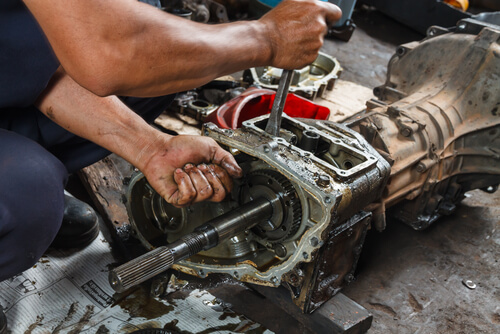
- Address Transmission Bearing Problems: Faulty transmission bearings require expert attention. A professional can disassemble the system and replace the bearing to restore optimal performance.
Trusting the Experts: Bear Car Care’s Transmission Services
At Bear Car Care, we understand the complexities of transmission issues and offer reliable solutions. Our state-of-the-art diagnostic tools and equipment can identify the root cause of transmission whining and provide practical solutions, maximizing your car’s lifespan.
Our highly skilled technicians ensure that your car receives top-notch service backed by a quality guarantee. For car owners struggling with transmission whining, we offer comprehensive services such as transmission repair and replacement, flush and refill, and more!
Transmission whining is a common problem, and with the help of our team, you can rest assured that your car is in good hands. Bear Car Care is your go-to shop for all your car needs.
Preventative Measures for a Healthy Transmission
Preventing transmission issues is always better than dealing with them. Here are a few tips to help you keep your transmission running smoothly:
Regular Transmission Inspections and Maintenance Tips
Routine inspections and maintenance can extend the life of your car’s transmission. Ensure you take the following steps:
- Check the fluid level regularly and replace it as required.
- Use a transmission cleaner to flush out any deposits from the system.
- Have your transmission inspected every 30,000 miles.
- Replace all worn parts immediately and use only quality replacement parts.
- Consult experts for transmission-related problems.
Driving Practices To Reduce Transmission Stress
Your driving habits can also influence your transmission’s health. Keep these tips in mind when behind the wheel:
- Avoid excessive speeds or sudden acceleration and deceleration.
- Don’t ride the clutch for too long.
- Change gears at low RPMs for maximum efficiency.
- Take frequent breaks if driving on a highway to prevent overheating.
- Make use of the car’s cruise control feature to maintain consistent speeds.
Conclusion
Don’t let transmission whining ruin your driving experience or lead to expensive repairs. Take action promptly by identifying the root cause and seeking professional help when needed. A well-maintained transmission ensures a smoother ride, safer journeys, and peace of mind on the road. Trust Bear Car Care for all your transmission service needs and practice preventative measures to keep your transmission in excellent condition. Schedule an appointment today!