- Bear Car Care
Proper vehicle maintenance is crucial for ensuring your car’s longevity and optimal performance. Transmission fluid replacement plays a significant role in your vehicle’s health and in maintaining a smooth and trouble-free driving experience.
In this comprehensive guide by Bear Car Care, we will discuss how often to replace transmission fluid. Regular fluid replacement will save you from potential headaches and extend the lifespan of your transmission components.
Understanding Transmission Fluid and Its Role
The transmission fluid lubricates the intricate network of gears and components within the transmission. It’s also a coolant that helps efficiently transfer power from the engine to the wheels.
Healthy transmission fluid ensures gears shift smoothly, minimizing wear and tear on transmission components. It also helps maintain proper hydraulic pressure for the transmission to function optimally.
Knowing the warning signs of contaminated or worn-out transmission fluid can help you address potential issues before they escalate. Pay attention to strange noises, burnt smells, a dark fluid appearance, and slipping or stuck gears.
Factors Influencing Transmission Fluid Change Frequency
Several factors will influence the frequency of your transmission fluid change. Here are some of the most important ones to keep in mind.
Manufacturer’s Recommendations and Service Intervals
Automakers often provide recommended transmission fluid change intervals in the vehicle’s owner’s manual. These guidelines are based on extensive testing to ensure optimal performance. Consult your car’s owner’s manual for the manufacturer’s advice before making any decisions.
Driving Habits and Conditions
Your driving habits and conditions significantly impact how often you should change your transmission fluid.
- City Vs. Highway Driving: Stop-and-go city driving can cause the transmission to work harder and generate more heat, necessitating more frequent fluid changes.
- Towing and Hauling Considerations: If you frequently tow trailers or carry heavy loads, the transmission experiences additional stress, requiring frequent fluid replacements.
Age and Mileage of Your Vehicle
Age and mileage are the most influential factors in determining transmission fluid change intervals. As vehicles age, their transmissions take a greater toll from wear and tear. Older vehicles or those with high mileage may require frequent transmission fluid changes to maintain performance and extend the transmission’s lifespan.
The Importance of Regular Transmission Fluid Replacement
Regular transmission fluid replacement is essential in keeping your vehicle running smoothly and preventing trouble down the road. Some reasons to replace transmission fluid regularly include:
- Ensuring Smooth Gear Shifting and Optimal Transmission Performance: Regular transmission fluid replacement reduces strain on transmission components and improves overall performance.
- Preventing Costly Repairs and Premature Transmission Failure: Contaminated or degraded fluid can lead to critical transmission problems.
- Enhancing Fuel Efficiency and Extending the Lifespan of Transmission Components: Clean and properly functioning transmission fluid can help maintain transmission components and improve fuel use.
How Often To Replace Transmission Fluid
As a rule of thumb, we recommend changing automatic transmission fluid every 60,000 miles. Certain factors may indicate the need for more frequent transmission fluid changes. These elements include:
- Vehicle’s age
- Vehicle’s mileage
- Driving habits
- Heavy use
- Extreme driving conditions
Consult your vehicle manufacturer or an experienced mechanic for the best advice on how often to replace transmission fluid in your vehicle.
DIY Vs. Professional Transmission Fluid Replacement
Replacing transmission fluid doesn’t require a lot of technical skills, but think twice before performing the job. The risk of causing more damage to the system is more significant when you don’t understand how to execute this procedure correctly.
Some advantages of replacing transmission fluid yourself are:
- Cost savings
- Access to information (videos, manuals, etc.)
- Satisfaction in a job well done
However, there are also risks to DIY, such as:
- Causing further damage to system components
- Creating an unsafe vehicle
- Failing to diagnose underlying issues
- Voiding manufacturer warranties
If you don’t have the confidence or knowledge to perform the job yourself, it’s always best to seek professional help. Here’s why:
- Experienced technicians can diagnose problems and suggest the parts and fluids needed.
- Professionals use diagnostic tools to identify underlying issues a DIYer cannot detect.
- Professionals have the right equipment to streamline the job.
A professional mechanic will ultimately know when and how to change your car’s transmission fluid. For expert services, Bear Car Care provides reliable repair, maintenance, and replacement services for all types of vehicles.
At Bear Car Care, our certified technicians have the knowledge, experience, and tools to handle any car. We provide top-notch transmission services, including fluid replacement. We ensure your vehicle’s transmission receives the best care and attention it deserves.
The Transmission Fluid Replacement Process
Whether you decide to perform the transmission fluid replacement process or seek professional help, it’s essential to familiarize yourself with the steps. Here’s a step-by-step guide to safe fluid replacement.
Vehicle Preparation and Safety Measures
- Park the vehicle on a level surface, engage the parking brake, and let it cool to a safe temperature.
- Ensure you have the correct replacement transmission fluid and necessary tools.
- Wear safety gear to protect yourself from any spills or splashes.
Draining the Old Transmission Fluid
- Locate the transmission fluid pan underneath the vehicle, and place a large catch basin underneath to collect the old fluid.
- Loosen the bolts that secure the pan gradually, starting from one side and working your way around to avoid spills.
- Carefully remove the pan and let the old fluid drain completely.
Inspecting Transmission Components
- Inspect the area for any signs of metal shavings or debris, which could indicate internal transmission problems.
- Clean the pan and replace the transmission fluid pan gasket if necessary.
- Check the transmission filter and replace it if needed.
Refilling With the Right Transmission Fluid
- Close the drain plug securely and reattach the transmission pan.
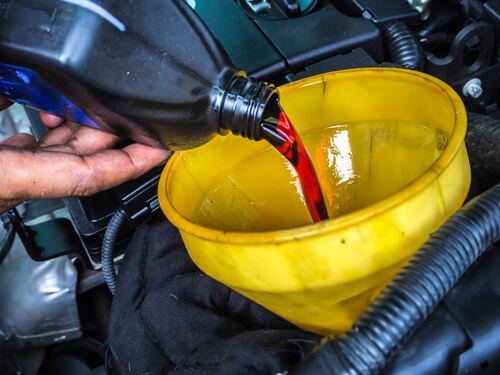
- Carefully pour the new transmission fluid into the transmission dipstick tube until it reaches the correct level.
To ensure you have accurate information, let’s debunk common misconceptions surrounding transmission fluid replacement.
- Myth: Lifetime transmission fluid never needs to be changed.
- Debunked: Transmission fluid can break down over time and lose effectiveness.
- Myth: It’s okay to mix different transmission fluid types.
- Debunked: Mixing transmission fluid types can lead to performance issues and damage.
- Myth: You can use any transmission fluid for a transmission flush.
- Debunked: Transmission flushing requires using the correct fluid specified by the vehicle manufacturer.
Signs of Transmission Fluid Problems
Recognizing warning signs can help you address transmission fluid issues promptly. Some common indications of this problem include:
- Discoloration
- Burnt Smell
- Strange Noises
- Slipping Gears
- Difficulty Shifting Gears
- Delayed Engagement
- Overheating Transmission
Additionally, deal with fluid leaks to maintain a healthy transmission system. Pay attention to the transmission fluid level and check for potential leaks.
Additional Tips for Maintaining a Healthy Transmission
Regular inspections and maintenance can prevent potential problems and extend your transmission’s lifespan. Regularly check for fluid levels and inspect all moving parts. Adhere to the maintenance schedule provided in your vehicle’s owner’s manual for transmission service intervals.
Our team at Bear Car Care is committed to providing comprehensive transmission maintenance and repair services to ensure your transmission runs smoothly and efficiently. We offer:
- Professional Inspections
- Fluid Checks and Changes
- Leak Detection and Repair
- Transmission Services
Trust Bear Car Care to handle your vehicle with care.
Conclusion
Regular transmission fluid replacement is essential for maintaining a healthy transmission system and avoiding costly repairs. This guide gives you the information and understanding necessary to care for your vehicle’s transmission properly.
For your vehicle’s transmission needs, trust the expertise of Bear Car Care’s certified technicians. We provide expert services to ensure optimal performance and longevity for your car.
Contact us today to get started.